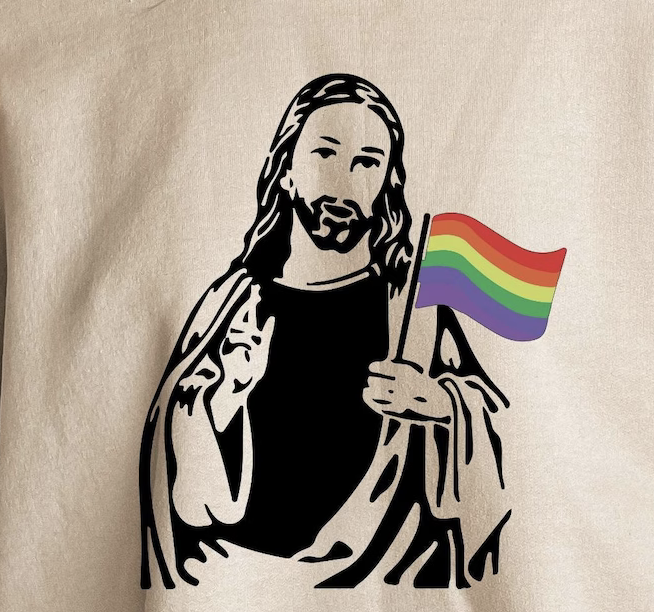
Upon my retirement I had to clean out my study at the church. In addition to the mountain of paper files and moldy sermon manuscripts that went into the recycle bin I found a stack of plaques and resolutions that had been languishing in the back of a closet. Many of them were from boards of directors on which I had served through the years, and a few were framed resolutions declaring gratitude for one thing or another. (You know the kind of thing: lots of WHEREAS’S and THEREFORE-BE-IT-RESOLVED’S.)
The entire pile when into the dumpster – except for one item: the Voice for Equality Award presented by Equality Florida, the preeminent voice for LGBTQ+ citizens in the Sunshine State. I was presented the award after years of testifying before legislative committees and writing opinion columns for the Tallahassee Democrat and other newspapers. In those communications I argued for the full inclusion of LGBTQ+ folks in the life of the republic and against discrimination fueled by homophobia.
What makes me an advocate in this area is my Christian faith. I believe that all people, regardless of their sexual orientation or gender identity, are created in the image of God and should be treated with dignity, compassion, and respect. The dual command to love God and neighbor requires no less from followers of Jesus Christ.
What’s more, I am convinced that the command to “do justice, love mercy, and walk humbly with God” prompts Christians to pay particular attention to people on the margins of society, which include the poor, the outcast, and the victims of hatred – those whom Jesus termed “the least of these.” To walk alongside people who have been “buked and scorned” is to walk with Jesus.
As I pastor, I saw the harm that homophobia causes. I counseled young people who became estranged from their families for coming out as gay or lesbian, and I have seen the struggle that people go through when they don’t feel at home in their own bodies. These are my siblings in Christ.
I must admit, however, that I am conflicted regarding the recent decision of the Supreme Court in favor of a web designer who objected to making wedding sites for same-sex customers. It appears to me that the web designer Lorie Smith was acting out of sincere religious conviction and that she has a right to decline services to same-sex customers.
Of course, I don’t agree with Lorie, my sister in Christ. I think she’s mistaken, but I also think that a web design business is not the same as a public accommodation. If Ms. Smith owned a restaurant and refused to serve same-sex couples, or if she ran a hotel and refused to allow same-sex couples to stay in her hotel, I’d feel differently.
It occurs to me that having someone design your webpage does not rise to the level of a basic human right. As galling as it must have been to the same-sex couples who wanted to use Ms. Smith’s services, I can’t see why they can’t avail themselves of another web designer who would be happy to work for them. I imagine there are plenty of web designers out there who would welcome the business.
Freedom of religion cuts both ways. I respect Ms. Smith’s right to live in accordance with her faith. Who knows? Maybe she feels the same about me.
Thank God same-sex couples can legally marry and thank God we live under a constitution that protects the free exercise of religion.
It pains me to say it, but I think the Supreme Court got it right this time.

 Second Thoughts